Team Building activities are essential to strengthen cohesion and collaboration within a team. They also contribute to improve communication and generate a positive work environment. This article presents a variety of original activities that can be implemented in companies. Different types of dynamics will be explored, as well as their benefits and their impact on the relationship between employees.
Benefits of Team Building Activities
Team Building activities offer multiple advantages that have a positive impact on the performance of work teams. The following are the most outstanding benefits of implementing these dynamics in the work environment.
Improve communication
Effective communication is fundamental to the success of any team. Team Building activities facilitate more fluid interaction between members by allowing them to get to know each other in a different context than usual. This helps eliminate barriers and fosters an environment in which information can be shared openly and constructively.
Through games and dynamics, participants learn to express their ideas and listen to those of their peers, which contributes to more efficient collaboration and a reduction in misunderstandings. A team that communicates well is able to solve problems more quickly and make collective decisions effectively.
Encourage collaboration
Team Building activities promote a collaborative culture where team members understand the importance of working together towards a common goal. This type of interaction improves synergy and understanding among team members.
Participating in group challenges and projects teaches employees to trust in the skills and contributions of their peers. As a result, a sense of belonging and mutual support is generated, which is vital to achieve collective goals and maximize results.
Increasing trust among employees
Trust is an essential pillar in any team. Team Building dynamics help to establish stronger bonds between employees by allowing them to share experiences and overcome them together. Over time, this translates into a reduction of tension and an increase in mutual respect.
Trust fosters an environment where employees feel safe to share ideas and propose solutions without fear of judgment. This positive environment contributes to greater innovation and creativity within the group.
Development of leadership skills
Team Building activities are also an excellent opportunity for employees to identify and develop leadership skills. Through different dynamics, some members assumed leadership roles, thus favoring their personal and professional growth.
Emerging leaders can be recognized and empowered, which is beneficial to both the individual and the organization. These experiences help employees practice skills such as decision-making, time management and group motivation, which are crucial in an increasingly dynamic and competitive work environment.
Team building activities
Fostering team spirit is essential to improve interpersonal relationships and cohesion in the work environment. Below are several activities that promote collaboration and trust among team members.
Confidence games
Trust games are ideal for building strong bonds and fostering an atmosphere of mutual support. These activities allow participants to experience situations that require them to put aside their reservations and trust their peers. Some of the most effective dynamics include:
- Back drop: A team member drops on his back, trusting that his teammates will catch him.
- The human bridge: It consists of a group of people standing and forming a bridge by holding hands, while another group must cross underneath without touching the ground.
- Minute of sincerity: Each participant has a minute to share something personal or a fear, creating a space of openness and vulnerability.
Problem solving dynamics
Problem-solving exercises allow teams to face challenges that require cooperation and creativity. These activities help improve communication and develop critical skills. Examples of this type of dynamics can be:
- Marshmallow Challenge: In this game, participants use spaghetti, a marshmallow and duct tape to build the tallest tower in a limited time.
- Escape Room: Carry out an activity in an escape room, where the team needs to solve puzzles and work together to get out in a given time.
- Business simulation: Teams create a business plan and must present their idea, facing challenges as they arise during the process.
Creative group activities
Creative activities are an excellent way to strengthen team spirit, as they allow employees to express themselves and think outside the box. Some suggestions include:
- Art workshops: Conduct an activity where team members collaborate in the creation of a collective work of art, such as a mural that represents the company’s values.
- Improvisation theater: In this exercise, employees participate in theater activities that encourage creativity and spontaneity, breaking down the barriers of fear of error.
- Creating videos: Groups can work together to write and record a short video that represents a story or team message.
Brainstorming sessions
Brainstorming sessions are essential to generate innovative ideas and solve problems together. They foster a participatory environment where every voice can be heard. They can be implemented in the following ways:
- Classic brainstorming: Bring the entire team together and allow everyone to contribute ideas openly without immediate criticism.
- Reverse Brainstorming: Instead of looking for solutions, the team focuses on identifying problems or difficulties, which can result in creative approaches to solving challenges.
- Mind maps: Use mind maps to visualize the ideas generated, allowing the group to organize their thoughts in a structured way.
Types of team building activities
Team Building activities can be classified into different types, which are adapted to the needs of each group and the objectives to be achieved. The following are some of the most important categories.
Outdoor activities
Outdoor activities are ideal for building camaraderie and enjoying nature. These experiences not only contribute to the development of social skills, but also allow team members to disconnect from the daily routine. Some of the activities that can be performed include:
- Group trekking
- Orientation contests
- Ecological hikes
- Adventure games such as rafting or rock climbing
Indoor activities
Indoor activities are perfect when the weather is inclement or when a controlled environment is desired. These activities encourage collaboration and conflict resolution in a comfortable and familiar environment. Examples of these activities are:
- Escape rooms, where participants must solve puzzles together.
- Collaborative board games that stimulate communication
- Creative workshops focused on teamwork
- Business simulations that challenge group capabilities
Sports activities
Incorporating sports into team building activities can be highly beneficial. Sports competitions are not only a form of fun, but also help develop teamwork skills and improve employees’ physical health. Some options include:
- Soccer or basketball tournaments
- Multi-adventure activities combining different sports
- Relay circuits that encourage collaboration
- Team sports challenges such as obstacle courses
Cultural activities
Cultural activities offer a different perspective to team building. These activities not only help to generate a sense of belonging, but also enrich the knowledge and appreciation of different cultures. Examples of these activities are:
- Visits to museums with group activities
- Gastronomic routes that allow you to discover local flavors and share experiences.
- Dance classes or ensemble music
- Volunteer activities that promote social responsibility
Original activities for companies
Original activities for companies offer unique experiences that promote cohesion and creativity in teams. These dynamics are not only fun, but also encourage teamwork and the development of interpersonal skills.
Themed escape rooms
Themed escape rooms are an innovative way of team building. In these games, groups are locked in a room and must solve a series of puzzles to escape before time runs out. Generally, there are a variety of themes, allowing participants to choose the experience that most intrigues them.
Solving enigmas
Solving riddles is the essence of escape rooms. Participants must work together to decipher clues, solve riddles and deactivate hidden mechanisms. This dynamic improves communication skills and promotes critical thinking. Each team member can bring different perspectives and approaches to overcome the challenges presented.
Treasure hunt
The treasure hunt is another activity that combines fun and teamwork. In this dynamic, participants are divided into groups and must find hidden objects or complete a series of tasks in a given area, either in open spaces or indoors.
Incorporation of technology
Integrating technology into the scavenger hunt can enhance the experience. Mobile apps or GPS devices can be used to provide clues and interact with participants. This adds a modern element that can appeal to younger generations and make the activity more dynamic and exciting.
Cooking workshops
Cooking workshops are a delightful option for team building. In these activities, participants learn to prepare dishes under the guidance of a chef, allowing teams to collaborate in a different environment than usual. Cooking together strengthens communication and fosters creativity.
Culinary competition
The culinary competition within the cooking workshop becomes a challenge where groups must compete against each other to create the best dish. This activity not only focuses on gastronomy, but also stimulates leadership and organizational skills. The emotions and fun during the cooking generate an enjoyable atmosphere that unites the teams.
Role playing games
Role-playing games offer an immersive experience, where participants assume different characters and face specific situations. This activity allows employees to explore different group dynamics and better understand the perspectives of their peers.
Representation of characters
Role-playing in role-playing games promotes empathy and creativity. Participants must step out of their comfort zone and interact under different identities. This strengthens the connection between team members and helps them recognize leadership skills in their peers.
Icebreaker games
Icebreaker games are an excellent way to initiate group activities, especially in professional environments. They facilitate interaction and create a more relaxed atmosphere, allowing participants to get to know each other better.
Invisible friend
Secret Santa is a classic that never goes out of style. It is a game in which each participant receives the name of a partner whom he or she will have to surprise with a gift, without the latter knowing who it comes from. This activity encourages surprise and creativity, since the objective is to find a gift that reflects the personality or tastes of the chosen one.
To carry out this dynamic, it is important to establish a budget and define the delivery time of the gifts. This game can be adapted to different times of the year, although it is especially popular during the Christmas holidays.
Back to back drawing
This game promotes communication and active listening. In it, two people sit back to back: one has a drawing or an image, while the other has a piece of paper and a pen. The person with the image must describe it verbally, without revealing what it is, so that his partner can try to reproduce it on his sheet.
At the end, participants compare the original drawing with the final result. This activity reveals the importance of clear and effective communication, while providing moments of laughter and learning.
He felt sorry for your thoughts
This game is a fun way to share ideas or comments on a specific topic. Pennies or tokens are used as a form of ‘currency’ to place bets on the thoughts that participants find most interesting or amusing.
At the beginning, an open question or a topic for discussion is posed. Each participant expresses his or her thoughts, and the others can bet their pennies on what they consider most valuable. At the end, the best ideas are voted on, which helps to generate a very dynamic and enriching discussion.
Trivia competitions
Trivia competitions are a fun way to test participants’ general knowledge. They can be divided into teams and ask questions on a variety of topics, such as general culture, history, movies, or even company facts.
This type of game encourages not only learning and teamwork, but also awakens a healthy competitive spirit. Symbolic prizes can be established for the winners, thus further motivating participation.
Group sports activities
Group sports activities are an excellent way to promote teamwork, increase cohesion and provide a dose of fun to employees. These dynamics not only promote physical activity, but also strengthen interpersonal ties among team members.
Soccer tournaments
Soccer tournaments are a popular option that can be tailored to different skill levels. Friendly matches or more formal competitions can be organized, depending on company culture and employee interest. This type of activity encourages cooperation and camaraderie, as well as improving communication in pressure situations.
- Creation of random teams to foster new connections.
- Development of strategies to improve joint performance.
- Set clear objectives before the tournament to maintain focus.
Relay competitions
Relay competitions are a fun way to encourage collaboration. It is a format where teams compete in different events, alternating relays between team members. This type of activity allows each participant to contribute his or her individual skills to the success of the group.
- Variety of activities: running, jumping, and skill challenges.
- Tests that require both strength and mental dexterity may be included.
- Facilitates communication and planning among team members.
Sack races
Sack races are a classic dynamic that brings a touch of nostalgia and fun. This activity is done in teams, where participants must jump into sacks and reach the finish line as fast as possible. In addition to being entertaining, this activity develops physical skills and strengthens the competitive spirit.
- Different categories can be created according to age or physical condition.
- Include an obstacle course to increase the challenge.
- Reinforces the importance of group strategy and synchronization.
Escapes to nature
Nature getaways provide an ideal environment for employees to unwind and bond. These activities can include hiking trails, camping, or sports such as kayaking or rock climbing. The outdoor experience creates a space for relaxation and camaraderie among participants.
- Organize survival activities to promote teamwork.
- Facilitate moments of reflection and conversation among peers.
- Potential to carry out group dynamics in a motivating environment.
Activities to improve communication
Fostering effective communication within the team is essential for the success of any organization. Through various activities, interaction and trust, a fundamental element in a work environment, can be fostered.
Trust games with peers
These exercises are designed to build trust among team members. Trust is a basic pillar for effective communication. Through different dynamics, employees can learn to support each other.
- Back drop: One participant drops backwards, while his partners catch him. This activity encourages surrender and mutual trust.
- Word games: Consist of a series of exercises where members must describe each other using only words or phrases chosen by the group. This promotes a better personal understanding.
- Wall building: In small groups, participants must move objects from one point to another without being able to see. This requires constant communication and cooperation.
Active listening exercises
Active listening is a fundamental skill that enhances communication. These exercises help employees improve their ability to listen and respond to their colleagues.
- Paraphrasing: This consists of repeating what the partner has said in his/her own words. This ensures that the message has been correctly understood.
- The listening wheel: In this exercise, couples take turns talking and listening, with limited time, which strengthens concentration and respect for each other’s time.
- Chained stories: A participant starts a story and each member of the group must add a sentence. Here both attention and creativity are worked on, as one must listen in order to continue the story.
Role-playing to resolve conflicts
Role-playing allows employees to practice their communication skills in a safe environment. Role-playing conflict situations can help find effective solutions.
- Conflict scenarios: Hypothetical work conflict situations are created, and participants assume different roles to understand each other’s perspectives and practice appropriate responses.
- Meeting simulation: Recreate a meeting in which disagreements must be addressed, promoting discussion and open communication in a controlled environment.
- Real-time feedback: Participants act out a scenario and then receive constructive feedback on how they handled the situation. This provides valuable insight into their communication skills.
Dynamics to generate good relationships
Group dynamics are effective tools for establishing and strengthening relationships among team members. Through different activities, trust is fostered, communication is improved and a more collaborative environment is created.
Bridge construction with spaghetti and adhesive tape
This activity consists of dividing the group into small teams and providing them with simple resources such as spaghetti and tape. The objective is to build a bridge that will support the weight of a given object, such as a small ball. This dynamic promotes creativity and collaboration, as participants must discuss strategies and work together to achieve the common goal.
Some keys to perform this activity are:
- Define a time limit for construction.
- Establish evaluation criteria, such as bridge strength or height.
- Encourage groups to reflect on their experience at the end of the challenge.
Creation of collaborative projects
Collaborative projects motivate participants to join efforts towards a common goal. Different themes can be established according to the team’s interests. Several ideas include the creation of an innovative proposal for the company or the organization of an internal event.
To carry out this dynamic, it is important:
- Divide members into balanced groups to encourage inclusion.
- Provide adequate resources to facilitate the development of ideas.
- Provide a space for each group to present their project at the end of the activity.
The project presentation is an excellent way to close the activity, allowing participants to share their achievements and learn from each other’s experiences.
Improvisation games
Improvisation games are energetic dynamics that allow participants to express their creativity and make their thinking more flexible. These activities often take place in a relaxed environment, which helps to break down barriers between coworkers and builds mutual trust.
Some ideas for implementing improvisational games include:
- Acting out everyday scenes with unusual situations that should be solved by the players.
- Create collective stories where each participant adds a line to the narrative.
- Perform role-playing games where participants must act as characters different from themselves.
These dynamics are not only fun, but also contribute to improving the spontaneity and responsiveness of team members.
Creative and artistic activities
Creative and artistic activities are an excellent way to encourage expression and cohesion within a team. These dynamics not only stimulate the imagination, but also facilitate interaction among members, helping them to develop new skills and learn about the capabilities of the rest of the group.
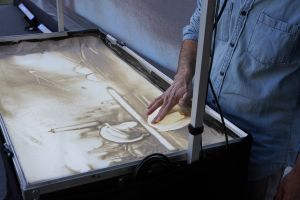
Collective murals
Collective murals are an activity that allows teams to work together on a work of art that represents their vision, values or identity. Each participant contributes their creativity, leading to a unique end result. This activity not only provides an artistic outlet, but also helps to strengthen the bonds between group members.
The realization of a mural can follow these steps:
- Defining the theme: It is essential to choose a theme that resonates with all team members.
- Role distribution: Assign specific tasks, such as design, painting or any other necessary function.
- Working together: Promote communication and exchange of ideas while working on the project.
- Exhibition of the result: Present the final mural and celebrate the joint effort, which reinforces the unity of the team.
Creative recycling workshops
Creative recycling workshops are ideal for stimulating creativity by transforming objects that would normally be discarded into works of art. This activity not only encourages innovation, but also promotes sustainability and environmental awareness within the group. Participants would have to think of new ways to use materials such as plastic bottles, cardboard or paper.
In a typical creative recycling session, these stages can be followed:
- Collection of materials: Encourage team members to bring recyclable items.
- Generation of ideas: Sharing proposals on how to transform each object.
- Creation of pieces: Working together in the realization of the works, promoting collaboration.
- Exhibition and reflection: Show the creations and discuss the process, highlighting the learning and teamwork.
Theater sessions
Theater sessions offer a transformative experience that allows participants to explore different roles and situations through improvisation and acting. This activity not only boosts creativity, but also improves communication and trust among team members.
Theater sessions may include:
- Improvisation exercises: Activities where participants must react and act in unscripted situations.
- Storytelling: Create and present short plays that can address issues in the work environment.
- Role analysis: Reflect on the different roles played and how they relate to team dynamics.
- Constructive feedback: Promote a supportive culture by evaluating performance in a positive and improvement-oriented manner.
Online games and dynamics for remote teams
Online games and dynamics have become essential tools to foster cohesion among teams working remotely. These activities not only help create a more enjoyable work environment, but also strengthen communication and collaboration.
Online group games
There are multiple options for group games that allow team members to interact and enjoy themselves together, despite the distance. Some popular activities include:
- Online Trivia: A competition that challenges participants’ general knowledge. You can use platforms that allow you to ask questions in real time.
- Word games: Activities such as Pictionary or Scrabble are ideal for stimulating creativity and teamwork. These dynamics encourage communication and fun.
- Virtual Escape Rooms: Interactive experiences that require solving puzzles in a limited period of time. Members must collaborate to find clues and get out of the virtual situation.
- Guessing competitions: Players must guess words or phrases from descriptions or pictures. It is a game that promotes active participation and quick thinking.
Virtual challenges
Virtual challenges are an effective way to foster camaraderie and teamwork. Some suggestions include:
- Photo Challenges: Team members must capture images that represent a specific theme in a specific time frame. The best photos can then be shared and voted on.
- Cooking competitions: Participants challenge each other to prepare a dish within a time limit and share the process via video call. This creates fun and memorable moments.
- Home sport challenges: Perform a specific physical activity and share the results through short videos. This promotes a healthy lifestyle and group commitment.
Virtual brainstorming sessions
Online brainstorming sessions allow the team to generate and share ideas collaboratively, without geographical restrictions. To carry them out, the following can be considered:
- Collaboration platforms: Use digital tools that facilitate the collection and visualization of ideas, such as virtual whiteboards or shared documents.
- Ideation dynamics: Establish time sections for each team member to express their ideas on a designated topic, fostering an atmosphere of respect and openness.
- Feedback rounds: After brainstorming, it is essential that each proposal receives feedback. This will enhance the development and refinement of the ideas generated.
Activities for large groups
Large group activities are an excellent option to strengthen cohesion among the members of a large team. These dynamics allow the interaction of multiple participants and encourage teamwork, contributing to a more positive work environment.
Karaoke competitions
Karaoke competitions are a fun and entertaining activity that allows participants to let loose, show their creativity and have fun in a relaxed atmosphere. These competitions can be organized in different formats, such as individual or group competitions, and can include a jury to evaluate the performances.
Songs can be chosen that are to everyone’s liking, thus encouraging participation. Through this activity, not only fun is stimulated, but also the overcoming of shyness and teamwork. Music and singing are elements that bring people together, favoring the creation of lasting bonds.
Construction of sand castles
Sand castle building is a perfect option for outdoor activities, especially in coastal environments. This dynamic not only promotes teamwork, but also stimulates the creativity and ingenuity of the participants when designing and building their structures.
- Teams can be divided into categories, with judges rewarding the most creative, largest or most original castles.
- Including materials such as buckets, shovels and molds can add a playful and competitive component to the activity.
- This activity is an ideal opportunity to enjoy nature and fresh air, while at the same time establishing a connection between employees through group manual work.
Massive gymkhanas
Mass gymkhanas are a dynamic strategy involving a series of tests and challenges that require the collaboration and ingenuity of all participants. They can be organized in large spaces, such as parks or fields, and allow activities ranging from physical tests to mental challenges.
- The planning of a gymkhana can include different game stations, in each of which teams must overcome a challenge to advance. This encourages collaboration and communication among members.
- Challenges can be tailored to the capabilities of the group, ensuring that everyone has the opportunity to participate and contribute to the team’s success.
- Through this activity, not only competitiveness and team spirit are reinforced, but also group problem solving, as many of the tests require strategy and inventive thinking.
Ways to organize an unforgettable team building event
Proper organization of a team building is key to maximizing the effectiveness of the activity. The following points provide essential guidelines to ensure that the experience is memorable and meets the desired objectives.
Choosing the right place
The selection of the place where the activity will take place is fundamental. A conducive environment can influence the mood of the team and the effectiveness of the proposed dynamics. Some aspects to consider include:
- Accessibility: The venue should be easy to reach for all participants.
- Capacity: It is important that the space has sufficient capacity to accommodate all team members.
- Environment: A natural or inspiring environment can foster creativity and collaboration.
- Facilities: Ensure that there are sufficient resources and amenities such as restrooms, rest areas, and catering options.
Planning and logistics
Planning is key to ensure a smooth development of the activity. This includes the organization of the sequence of the dynamics, the time assigned to each activity and the management of the necessary resources. Some points to consider are:
- Defining clear objectives: Before organizing the event, it is crucial to establish what you want to achieve.
- Assigning roles: Determining who will be responsible for each aspect of the activity helps ensure that everything runs smoothly.
- Consider time: Adjusting each activity to fit the time available is essential to maintain pace and interest.
Create a balanced program
A good program should incorporate a variety of activities that will keep the team interested. Including different types of dynamics can make the experience more enriching and fun. Some recommendations are:
- Mixing physical and mental activities: Alternating between movement games and reflective dynamics can maintain enthusiasm.
- Time for socializing: Allowing participants to socialize freely fosters a better atmosphere of camaraderie.
- Adapting to the group’s interests: Knowing the team’s preferences can help select activities that they really enjoy.
Include breaks and rest periods
Breaks are essential to maintain the energy of the group. Without adequate breaks, participants can lose interest and concentration. Planning break times is just as important as the activities themselves. Some considerations are:
- Regular intervals: Scheduling short breaks after intense sessions can help recharge your energy.
- Relaxation areas: Provide areas where people can momentarily disconnect from the event.
- Refreshments and snacks: Providing food options during breaks can help keep spirits up.
Importance of a good working environment
A positive work environment is critical to employee well-being and overall company performance. It fosters healthy relationships and increases satisfaction, which translates into better performance. The most relevant aspects of a favorable work environment will be explored below.
Increased productivity
When employees feel comfortable and valued in their work environment, their motivation and performance increase. A good work environment creates the ideal conditions for workers to focus on their tasks and achieve their goals. Aspects that contribute to this increased productivity include:
- Climate of trust: A relationship based on trust encourages employees to be more proactive.
- Encouraging creativity: A positive environment allows workers to express their ideas freely, promoting innovation.
- Engagement: Emotional connection to the workplace increases loyalty and commitment to the job, resulting in greater effectiveness.
Stress reduction
Pressure and stress are obstacles that can seriously affect the physical and mental health of employees. A work environment that prioritizes the well-being of its workers helps to reduce these stress levels. Some strategies to promote this reduction are:
- Work flexibility: Offering telecommuting options or adaptable schedules allows employees to better manage their personal and work responsibilities.
- Open communication: Encouraging a space where employees can express their concerns helps prevent stress buildup.
- Relaxation activities: Incorporating moments of rest and recreational activities can relieve pressure and rejuvenate team spirit.
Improved interpersonal relationships
Healthy interactions between employees are key to a good work environment. A positive environment facilitates the creation of strong bonds between colleagues. Interpersonal relationships can be optimized through:
- Teamwork: Encouraging collaboration on team projects helps build bonds and mutual trust.
- Recognition: Valuing and celebrating individual and collective achievements strengthens the sense of belonging and appreciation.
- Inclusiveness: Promoting a culture of diversity and acceptance improves relationships and fosters an environment where all employees feel valued.
Activities to strengthen problem solving
Implementing activities that encourage problem solving is vital for the development of teamwork. These dynamics promote creativity and analytical skills, fundamental aspects to face work challenges.
Construction of paper towers
Paper tower building is a dynamic and fun activity that encourages teams to work together. This exercise consists of using only paper and tape to create the tallest tower possible in a limited amount of time. Through this experience, planning, organization and collaboration among participants are encouraged.
- The mechanics include dividing the group into small teams.
- They are provided with a certain amount of paper and tape.
- A time of 20 to 30 minutes is established to complete the tower.
Teams must think strategically about the stability and height of their creation. At the end, each team presents its tower, which also serves to develop communication skills.
Escape games
Escape games are very popular and effective for developing critical thinking and cooperation. This type of activity consists of participants having to solve a series of riddles and puzzles to “escape” from a themed room within a stipulated time.
- Promotes fast and effective decision making.
- Group work skills are reinforced.
- Participants must contribute their ideas and skills to achieve the solution.
This pressurized environment generates a sense of urgency that requires maximum concentration and collaboration, making the activity an unforgettable and highly productive experience.
Innovation workshops
Innovation workshops are spaces where creativity and the generation of new ideas to solve specific problems are stimulated. In these sessions, teams work together to develop outstanding solutions to real challenges faced by the organization.
- Lateral thinking techniques can be used to approach problem solving from different perspectives.
- Teams brainstorm to generate a wide range of ideas.
- At the end, the most viable proposals are selected and strategies are developed to implement these innovations.
The dynamics of these workshops not only focus on problem solving, but also on adaptability and efficient use of available resources. These spaces are ideal for strengthening bonds between colleagues and enhancing the work environment.
Customized experiences according to the company
Designing customized team building activities is essential to ensure employee participation and enthusiasm. These experiences can reflect the company’s identity and objectives, making a positive impact on team development.
Adaptation to corporate culture
Each company has a unique culture that can be reflected in group dynamics. Adapting activities to these values is crucial to ensure that employees feel identified and motivated. Some strategies to achieve this are:
- Conduct an analysis of the organizational culture to identify the most salient characteristics.
- Incorporate elements that highlight the company’s mission and vision in the activities.
- Select dynamics that encourage the behaviors that the company wishes to encourage.
Inclusion of company values
The inclusion of company values in Team Building experiences not only reinforces corporate identity, but also enhances the sense of belonging among employees. To this end, actions can be carried out such as:
- Create activities that revolve around core values, such as teamwork, honesty or innovation.
- Use challenges and games that reflect and promote these principles, seeking that employees live and practice them during the activity.
- Encourage dialogue and reflection on how everyone can contribute to living these values on a daily basis in the work environment.
Thematic activities
Implementing themed activities can be very effective in connecting with employees’ interests and passions. Not only do these dynamics make for an absolutely entertaining experience, but they can also be customized to align with certain events or times of the year. Some ideas include:
- Organize a day of activities related to holidays such as Halloween, Christmas or Columbus Day, incorporating games and dynamics accordingly.
- Use themes inspired by movies, series or books that are popular with employees, creating an endearing and memorable experience.
- Consider events that celebrate cultural diversity within the company, giving employees the opportunity to share their traditions and customs.
Beach activities
Beach activities provide a perfect combination of fun and teamwork. This natural environment allows for dynamics that foster cohesion and collaboration among team members, making the experience a memorable one.
Beach volleyball
Beach volleyball is an ideal activity to reinforce communication and group work. This sport, played in teams, promotes both competition and collaboration. Participants must coordinate to make continuous passes and score points against their opponents.
Some characteristics that make beach volleyball an effective choice are:
- Encourages constant communication, essential for teamwork.
- It provides a dose of physical exercise, which increases energy and motivation.
- Develops strategic and planning skills, necessary to earn points.
Swimming competitions
Swimming competitions encourage friendly competition while improving group fitness. These events can include sprint races, relays and endurance challenges, adapting to the abilities of the participants.
Among the benefits of organizing swimming competitions are:
- Stimulates teamwork through relays and shared strategies.
- Develops trust among peers, knowing that everyone contributes to the success of the group.
- Provides an opportunity to highlight individual talent in a group activity.
Sand games
Sand games are a fun and creative way to engage the team. From castle building to sculpting competitions, these activities invite participants to use their imagination and work collaboratively.
Some sand play ideas include:
- Castle building: Form teams to design the most impressive castle, encouraging creativity and group planning.
- Sculpting competitions: Using simple tools to create figures in the sand, which encourages cooperation and communication.
- Obstacle course games in the sand: Challenge teams with tests that require speed and good coordination.
Activities that foster creativity
Encouraging creativity in the work environment allows teams to think outside the box and find innovative solutions. Activities that stimulate this skill are essential for professional development and strengthening group cohesion.
Paint shops
Painting workshops are an excellent way to unleash employees’ artistic expression. Through painting, participants can explore their imagination and develop a sense of well-being. These sessions can be guided by a professional artist who provides guidance and techniques. The dynamics can range from individual canvases to a collaborative mural, where each member adds his or her personal touch.
- Encourages self-expression
- Promotes teamwork
- Provides a space for relaxation
Group creative writing
Group creative writing is an activity that promotes collaboration and the flow of ideas. Exercises can include story, character or script creation, which helps participants think creatively and share diverse perspectives. By working together, employees can construct narratives that reflect their experiences at the company.
- Improves communication skills
- Boosts individual and collective creativity
- Enables unrestricted use of the imagination
Design skills
Design competitions are another effective way to cultivate creativity in the team. These activities can include product design challenges, prototyping or even marketing campaigns. By facing design challenges, employees learn to work under pressure and apply their technical skills creatively.
- Promotes critical thinking
- Develops technical and design skills
- Generates innovative ideas for future projects
Pre-activity preparation
Meticulous preparation is key to the success of any Team Building activity. The following is a description of the steps necessary to ensure that the proposed activities run smoothly and meet the established objectives.
Needs analysis
The first step in the preparation of Team Building activities is to carry out an analysis of the team’s needs. This analysis will allow to identify the aspects to be improved and to establish which are the priorities in terms of group cohesion and personal development. To carry out this analysis, it is advisable to follow these steps:
- Assess the current situation of the team. This involves observing the dynamics of the group and the relationship between members.
- Identify specific problems or areas for improvement. This includes interpersonal conflicts, lack of communication or loss of motivation.
- Determine the desired objectives. It is essential to be clear about what the proposed activities are expected to achieve.
Employee surveys
Surveying employees is an effective way to understand their preferences and expectations. Surveys should be designed to encourage candor and constructive feedback. To carry out this process, the following points can be considered:
- Formulate open and closed questions that allow the collection of both quantitative and qualitative data.
- Ensure that surveys are anonymous so that participants feel comfortable expressing their opinions.
- Analyze the results obtained to obtain an overview of the team’s expectations and desires in relation to the Team Building activities.
Define clear objectives
Once the needs analysis and surveys have been completed, it is essential to define clear and measurable objectives for the activities. These objectives will guide the design and implementation of the activities. In setting them, the following aspects can be taken into account:
- Objectives should be specific and realistic. That is, it is better to focus on specific aspects that you want to improve rather than proposing general goals.
- It is important that the objectives be measurable. This will make it possible to evaluate the success of the activities at a later date.
- The objectives must be achievable, taking into account the resources and time available.
- Goals should be relevant and aligned with the interests and needs of the team, as well as with the company’s corporate culture.
How to evaluate the success of activities
Evaluating the success of activities is a crucial process to determine the impact they have had on the team. Different approaches can be considered to obtain a complete picture of the results achieved.
Feedback from participants
Gathering feedback from team members is critical to understanding their perception of the activities performed. This may include:
- Anonymous surveys: They allow for honest opinions to be expressed without pressure. Closed and open-ended questions can be included to obtain both quantitative and qualitative data.
- Feedback meetings: Organize sessions where participants discuss what they liked and what could be improved. This format will encourage the exchange of ideas.
- Individual activities: Provide each team member with an opportunity to reflect on his or her personal experience. This may include individual journals or forms that summarize their thoughts.
Performance improvement indicators
Observing team performance before and after activities can provide valuable information. Some indicators to consider are:
- Productivity values: Compare performance metrics, such as number of completed tasks or delivery times, before and after activities.
- Error reduction: Analyze whether there has been a decrease in the number of errors made by the team, which may reflect improved communication and collaboration.
- Completed projects: Evaluate the number of completed team projects in a given period to identify improvements in group dynamics.
Measurement of the work environment
The work environment is a key indicator that reflects how employees feel in their environment. To measure it, you can use:
- Work climate surveys: Conduct periodic studies that measure satisfaction, commitment and work environment.
- Observations: Be alert to behaviors and interactions within the team. Positive changes may reflect a more collaborative environment.
- Staff turnover: Analyze whether there have been changes in talent retention following the activities. A decrease may be an indicator of a healthier work environment.
Team Building activities in urban environments
Team Building activities in urban environments offer a unique opportunity for teams to connect and collaborate in a dynamic setting. These experiences can be both educational and entertaining, fostering an atmosphere of camaraderie and creativity among participants.
City exploration
Exploring the city can be a great way to break the routine and encourage teamwork. These activities allow employees to discover landmarks and learn about local history while working together to complete various tasks.
- Adventure maps: Teams receive maps containing clues and challenges that they must solve in different parts of the city.
- Interactive guided tours: Incorporate game elements where participants are challenged to ask questions or complete tasks at each stop.
- Themed routes: Groups can choose to explore a route based on common interests, such as art, gastronomy or history.
Gastronomic routes
Gastronomic tours are another attractive team-building option. Through this type of activity, participants can enjoy a variety of local dishes while learning to work together in a relaxed atmosphere.
- Wine and tapas tasting: Teams can participate in a tasting experience in which they must work together to identify different flavors and textures.
- Cooking workshops: Learning to cook typical dishes of the region will encourage cooperation and creativity of each team member.
- Culinary challenge: Teams compete to create the best dish using local ingredients, promoting creativity and collaboration.
Photographic competitions
Photo competitions are an exciting way to integrate creativity with teamwork. These activities encourage observation and can be adapted to include various levels of difficulty.
- Photo challenges: Teams are given a list of items to photograph in a given time, promoting friendly competition.
- Collaborative album creation: Participants work together to create a thematic photo album that represents their experiences during the activity.
- Urban exhibits: Focus the activity on capturing the essence of the city, which can then be displayed in the workplace, fostering pride in the community.
The importance of leadership in activities
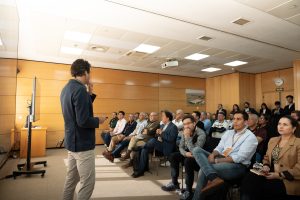
Leadership plays a crucial role in the organization and execution of activities aimed at strengthening the team. A good leader can inspire, motivate and guide team members, maximizing the benefits of these dynamics.
Leader’s role during the activity
During Team Building activities, the leader assumes multiple functions that are determinant for the success of the group. Among his main responsibilities are:
- Motivate participants, fostering a positive and enthusiastic atmosphere.
- Facilitate communication among team members, ensuring that everyone feels heard and valued.
- Guide the process, intervening at key moments to ensure that the dynamic continues to flow effectively.
- Observe and identify group dynamics, allowing adjustments to be made in real time if necessary.
- Reflect and promote the company’s values in each activity, ensuring that the experience is consistent with the organizational culture.
Development of leadership skills
Team Building activities provide a valuable opportunity for leaders to develop and hone a number of key skills. These include:
- The ability to make quick and effective decisions in unexpected situations.
- The ability to resolve conflicts in a constructive and respectful manner.
- The skill of fostering collaboration and cohesion among team members.
- The development of active listening skills, essential to understand the needs of the group.
Practice in dynamic environments allows leaders to experiment with different styles and techniques, strengthening their long-term leadership skills.
Identification of new leaders
Team activities are not only opportunities for current leaders to develop, but also facilitate the identification of new talent. Some aspects to consider are:
- Observation of how different members of the group handle situations of pressure or conflict.
- The identification of those who naturally assume leadership roles, guiding or motivating their peers.
- The ability of some members to propose innovative and creative solutions to solve problems raised during the dynamics.
This process can be instrumental in planning for the future of the team, helping to ensure that there are emerging leaders who can take on greater responsibilities within the organization.